
Quick answer
The United States allows dual citizenship. U.S. law does not make you give up your other citizenship when you naturalize. But your home country's law decides whether you keep it. Mexico, Canada, the UK, Germany and Brazil let you keep it. India, China, Japan and South Korea generally take it away automatically. [State Dept.]
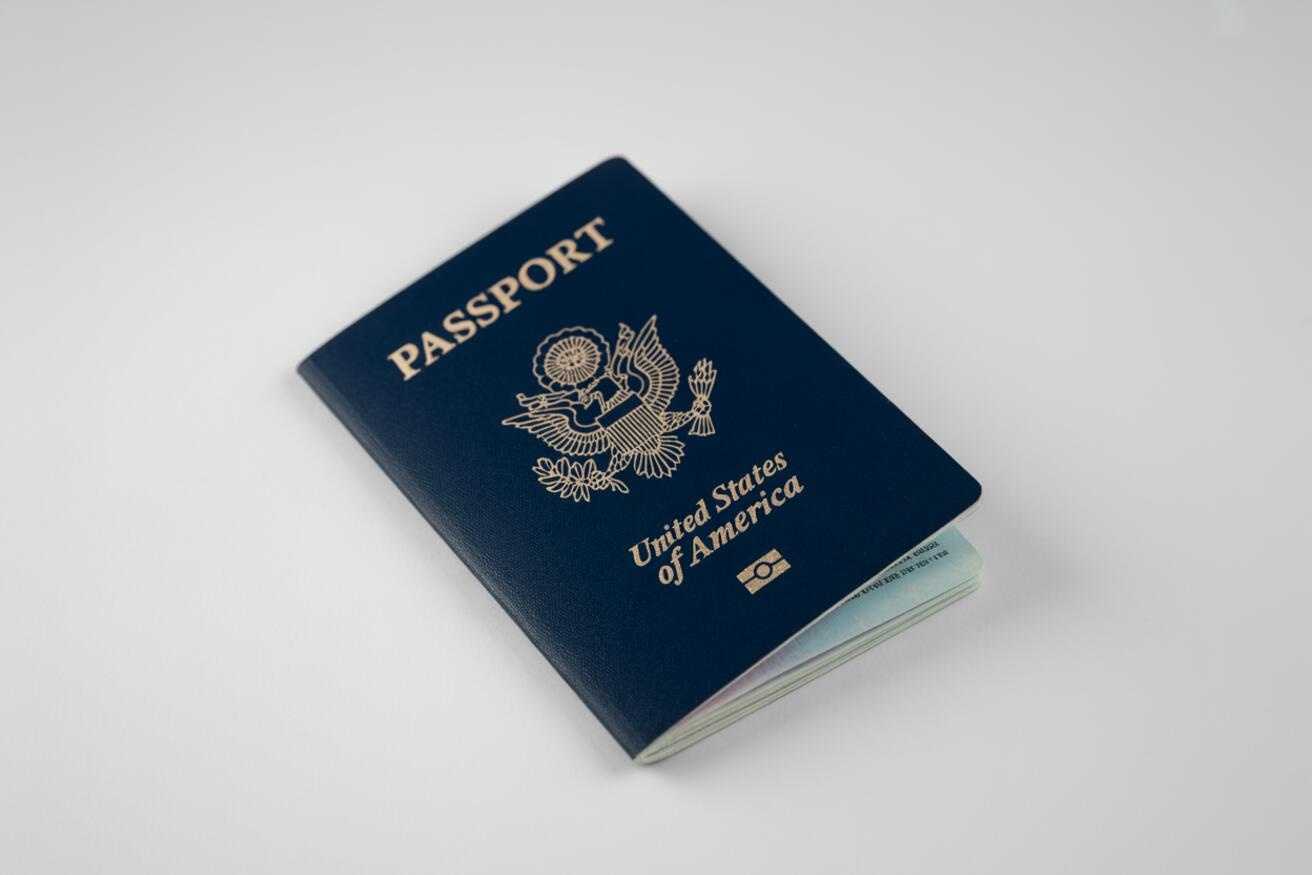
Does the U.S. Allow Dual Citizenship?
Yes. U.S. law recognizes dual nationality and does not require you to choose one citizenship. [7 FAM 080]
The U.S. government also presumes that a citizen wants to keep U.S. citizenship, even if they hold another one. [7 FAM 080]
There is one firm rule: U.S. citizens must use a U.S. passport to leave and enter the United States. [USA.gov]
Why the Supreme Court protects your citizenship
- Afroyim v. Rusk (1967): Congress cannot take away a person's citizenship without that person's consent.
- Vance v. Terrazas (1980): to show you gave up U.S. citizenship, the government must prove you intended to give it up. Getting a foreign passport is not enough. [Justia]
In short, holding a second citizenship does not make you lose U.S. citizenship.
What the Oath of Allegiance Really Means
At your ceremony, you will say:
“I hereby declare, on oath, that I absolutely and entirely renounce and abjure all allegiance and fidelity to any foreign prince, potentate, state, or sovereignty, of whom or which I have heretofore been a subject or citizen…” [USCIS]
This line scares a lot of people. Here is what matters:
- The oath is a promise of loyalty to the United States.
- U.S. law still recognizes dual nationality after you take it. [7 FAM 080]
- Your other country decides whether it still sees you as its citizen. The U.S. does not make that decision.
So the oath does not, by U.S. law, cancel your other citizenship. But some countries treat becoming a U.S. citizen as giving theirs up. That is why the country table below matters.

It Depends on Your Home Country: 2026 Country Table
| Country | Keep it after U.S. citizenship? | Key detail | Official source |
|---|---|---|---|
| Mexico | Yes (if Mexican by birth) | Mexicans by birth can't lose nationality | Mexican consulate (SRE) |
| Colombia | Yes | Not lost by getting another nationality | Cancillería de Colombia |
| Brazil | Yes (since Oct 2023) | Getting U.S. citizenship alone no longer causes loss | Agência Brasil (federal) |
| Germany | Yes (since June 27, 2024) | No retention permit needed | German Foreign Office |
| Canada | Yes | No application needed | IRCC |
| United Kingdom | Yes | Enter the UK on a British/Irish passport or certificate of entitlement | GOV.UK |
| Italy | Yes (if after Aug 16, 1992) | Earlier cases may have lost it | Italian Foreign Ministry |
| Pakistan | Yes | The U.S. is on Pakistan's approved list | DGIP Pakistan |
| Philippines | Yes, if natural-born | Eligible natural-born Filipinos can retain/reacquire it through an RA 9225 petition and oath | Philippine consulate (DFA) |
| India | No | Lost automatically; OCI card may be an option | Ministry of Home Affairs |
| China | No | Lost automatically if settled abroad | National Immigration Administration |
| Japan | No | Lost automatically; report within 3 months | Japan Ministry of Justice / Embassy |
| South Korea | No | Lost automatically; must report it | Korea Ministry of Government Legislation |
Not in the table: the Dominican Republic, Cuba, Vietnam and Nigeria. We couldn't confirm their current rules on an official government page, so we left them out instead of guessing. If you are from one of these countries, check with your consulate.
Countries Where You Usually Keep Your Citizenship
Mexico
If you are Mexican by birth, no authority can take away your Mexican nationality. This has been true since March 20, 1998. [SRE]
If you became Mexican by naturalization, the rules are different and you could lose it. When you travel to Mexico, you must present yourself as Mexican. [SRE]
Colombia
Colombia's Constitution (Article 96) says you do not lose Colombian nationality by getting another one. [Cancillería]
Brazil: changed in 2023
Since October 2023 (Constitutional Amendment 131, in force from October 4, 2023), acquiring U.S. citizenship alone no longer causes loss of Brazilian nationality. [Agência Brasil]
If you lost it before that date, it does not come back automatically. There is a process to get it back.
Germany: changed in 2024
Since June 27, 2024, Germans can become U.S. citizens and stay German. You no longer need a “retention permit.” [German Missions]
The change is not retroactive. If you lost German citizenship before that date, you may be able to apply to get it back.
Canada
Canada allows dual citizenship. There is no application or certificate for it. [IRCC]
United Kingdom
The UK allows dual citizenship. Travel tip: since February 25, 2026, British dual nationals should travel to the UK on a British or Irish passport, or have a certificate of entitlement. [GOV.UK]
Italy
If you became a U.S. citizen on or after August 16, 1992, you keep Italian citizenship unless you formally renounce it. [Italian MFA]
If it happened before that date, you may have lost it, but there are ways to get it back. [Consulate NY]
Pakistan
Pakistan has dual-nationality arrangements with a list of countries, and the United States is on that list. [DGIP]
Countries Where You Lose It, or Must Take Extra Steps
India
India does not allow dual citizenship. When you voluntarily become a citizen of another country, you automatically stop being an Indian citizen. [MHA]
The option for Indians abroad is the OCI (Overseas Citizen of India) card. It is not citizenship. To apply, you must surrender your Indian passport and get a surrender certificate. [MHA OCI FAQ]
China
A Chinese citizen who has settled abroad and voluntarily naturalizes automatically loses Chinese nationality. [NIA]
Japan
If you voluntarily get another nationality, you automatically lose Japanese nationality. [Nationality Act Art. 11] If you live abroad, you must file a loss-of-nationality report at a Japanese consulate within 3 months. [Embassy of Japan]
South Korea
If you voluntarily get another nationality, you automatically lose Korean nationality and must report it. [Korea MOLEG]
Philippines
Natural-born Filipinos who become U.S. citizens can keep or regain Philippine citizenship by filing a petition and taking an oath under Republic Act 9225 at a Philippine consulate. Unmarried children under 18 can usually be included. [PCG New York]
Recent Changes You Should Know About
- • Brazil (Oct 2023): you no longer lose Brazilian nationality by naturalizing.
- • Germany (June 2024): dual citizenship allowed; no permit needed.
- • UK (Feb 2026): stricter entry rule for British dual nationals.
- • Italy (2025): new rules for citizenship by descent. These don't change the “keep it after 1992” rule.
Many older articles online still say Germans and Brazilians lose their citizenship. That is no longer true.
Traveling as a Dual Citizen
- Leaving or entering the U.S.: use your U.S. passport. [USA.gov]
- Entering your other country: it may require its own passport. Mexico requires dual nationals to enter as Mexicans, and the UK has its own rule (see above).
- Inside your other country, it may treat you only as its citizen. That can limit how much the U.S. embassy can help you. [7 FAM 080]
Your “Before the Oath” Checklist
- Check your country's rule in the table and on its official site.
- Indian citizens: plan to surrender your Indian passport after the oath and check whether you qualify for OCI.
- Japanese and Korean citizens: know that you will have to report the loss of nationality.
- Filipinos: gather your documents for an RA 9225 petition.
- Plan your first trip: apply for your U.S. passport soon after the oath. See what to do after naturalization.
- Not sure? Ask your consulate or an immigration attorney before your ceremony.
Taxes, Jobs and Other Things to Think About
- • U.S. taxes: the U.S. taxes its citizens on worldwide income, wherever they live. Talk to a tax professional if you earn money abroad.
- • Government jobs: some jobs that need a security clearance may look closely at a second citizenship.
- • Military service: a few countries may expect their citizens to serve, even dual citizens. Check your country's rules.
This section is general information. Your situation may be different.
Frequently Asked Questions
Does the U.S. allow dual citizenship?
Yes. U.S. law recognizes dual nationality and doesn't make you choose one citizenship.
Do I have to give up my citizenship to become a U.S. citizen?
The U.S. doesn't require it. Whether you keep your other citizenship depends on your home country's law.
Does saying "renounce" in the Oath cancel my other citizenship?
Not under U.S. law. Your other country decides whether it still sees you as a citizen.
Can I keep my Mexican citizenship?
Yes, if you are Mexican by birth. Mexicans by birth cannot be deprived of their nationality.
Can I keep my Indian citizenship?
No. Indian citizenship ends automatically when you voluntarily become a citizen of another country. You may qualify for an OCI card, which is not citizenship.
Can I keep my Filipino citizenship?
Yes, if you are a natural-born Filipino and take the oath under Republic Act 9225 at a Philippine consulate.
I'm German. Do I need a retention permit?
Not since June 27, 2024. Germans can now acquire another citizenship without a retention permit.
I lost my citizenship years ago. Can I get it back?
Some countries offer a path, including Germany, Brazil, Italy and the Philippines. Ask your consulate.
Which passport do I use when I travel?
Use your U.S. passport to leave and enter the United States. Your other country may require its own passport.
Can having a second citizenship make me lose U.S. citizenship?
No. The government must prove you intended to give up U.S. citizenship (Vance v. Terrazas).
Will the USCIS officer ask about my other citizenship at the interview?
The N-400 asks about your citizenship, and the officer reviews your application. Answer every question truthfully.
Is giving up U.S. citizenship the same thing?
No. Renouncing U.S. citizenship is a separate, formal process.
More help: what happens at the N-400 interview and why some Americans renounce citizenship.