
As of March 30, 2026, USCIS began lifting holds for some applicant categories, including Operation PARRIS-vetted cases, certain U.S. citizen petitions, some rescheduled oath ceremonies, and applications associated with medical physicians. Affected-country applicants: holds for most nationalities remain in place.
Check USCIS.gov/newsroom for the latest →USCIS Oath Ceremony Cancelled — What Actually Happens Next (2026 Update)
Our content is researched by immigration educators with experience helping naturalization applicants prepare for their interviews.
Editorial Standards: All content is based on official USCIS materials and reviewed for accuracy. Learn more about our team
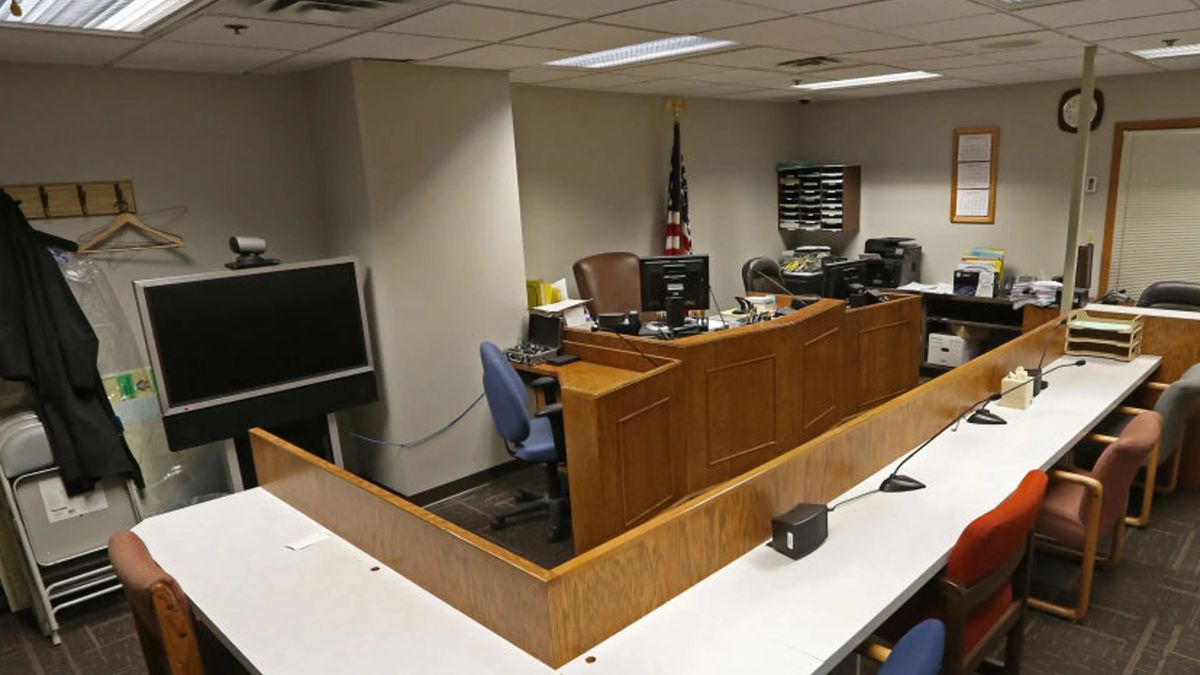
If your USCIS oath ceremony was cancelled, in most cases your N-400 approval still stands and USCIS will reschedule you — no reapplication needed. A cancellation is not a denial. But in 2026, a new category of cancellations tied to a federal adjudication hold affects applicants from 39 specific countries — and those cases require a different response entirely.
First: Which Type of USCIS Oath Ceremony Cancellation Do You Have?
Not all cancellations are the same. Before reading further, identify which category applies to your situation. The response, the timeline, and the risk level differ significantly between the two.
Type A — Administrative / Logistical
Type B — Policy Hold (PM-602-0192 / 0194)
Everything below is organized so you can skip to your situation. If you don't know which type applies, read both.
The Most Common Reasons USCIS Cancels an Oath Ceremony
The majority of oath ceremony cancellations in any given year are administrative. A federal building loses power. A courthouse floods. USCIS overbooks a ceremony session and has to bump a batch of applicants to the next available date. These cancellations affect groups of people at the same time, and they resolve through routine rescheduling.
Weather, building closures, and federal holidays
Same-day cancellations caused by weather remain the single most frequent category, based on applicant reporting across major USCIS field offices. Snowstorms, hurricanes, flooding, and extreme heat can close a USCIS office or a federal courthouse without notice. Every ceremony scheduled for that day is cancelled at once. Rescheduling is automatic, and a new Form N-445 notice typically arrives within 2 to 6 weeks.
Government shutdowns and funding lapses
USCIS is primarily fee-funded, so it does not always close during a government funding lapse. But judicial oath ceremonies — those held in a federal courtroom, presided over by a judge — depend on court funding. If federal courts close, judicial ceremonies are cancelled even when USCIS field offices remain open. Administrative ceremonies (run entirely by USCIS) may continue in some shutdown scenarios. The distinction explains why one applicant's ceremony proceeds while another's is cancelled during the same week.
USCIS staffing shortages and system errors
Overbooking, internal scheduling glitches, and staffing gaps cause a steady trickle of cancellations that are unrelated to any individual applicant's file. A pattern reported frequently: the online status briefly shows "Oath Ceremony Will Be Scheduled," then flips to "Oath Ceremony Cancelled" within 48 hours — with no letter and no explanation. That pattern is almost always a scheduling system error.
Final eligibility re-check — a 2026 expansion
Between the N-400 interview and the oath, USCIS runs a final eligibility review. As of the March 30, 2026 policy update, this review now includes a final arrest encounter check and a State Department Consular Consolidated Database (CCD) cross-reference. These additional steps mean that some applicants who were previously cleared at the interview stage are now being pulled at the last minute — not because anything changed in their life, but because the screening pipeline itself expanded.
A false-positive name match against a law enforcement or immigration database can also trigger a hold. The wait in these cases is typically longer than a weather rescheduling, but shorter than a policy hold.
What PM-602-0192 and PM-602-0194 Actually Mean for Your Case
Two internal USCIS policy memoranda are responsible for the largest wave of oath ceremony cancellations in modern naturalization history. Understanding what they contain — and what they authorize — is essential for any affected applicant.
PM-602-0192, issued December 2, 2025, directed USCIS to freeze final adjudication for applicants born in 19 designated countries. The freeze applied to all pending naturalization cases for those nationals, including cases where the N-400 interview had already been passed and the oath ceremony had already been scheduled.
PM-602-0194, issued January 1, 2026, expanded the freeze to 39 countries plus the Palestinian Authority. It also introduced a directive with broader implications: retroactive review of immigration benefits approved since January 20, 2021. The scope of that directive is wide — it theoretically encompasses previously issued green cards, though denaturalization of already-naturalized citizens requires a separate federal court process under 8 U.S.C. Section 1451.
Under both memos, no field officer can unilaterally reschedule an affected applicant. Lifting the hold on any individual case requires approval from the USCIS Director or Deputy Director. This is the structural reason affected-country applicants face indefinite delays: the bottleneck is at the top of the agency.
What the Atlanta Vetting Center Is — and Whether Your Case Went Through It
The Atlanta Vetting Center was established on December 5, 2025 as a centralized hub for enhanced immigration screening. It is headquartered in Atlanta and staffed by officers drawn from multiple DHS components.
The Center uses AI-assisted risk scoring to triage cases. It cross-references DHS systems — HART (biometrics), IDENT, TECS (travel and enforcement), and ATS (advanced targeting) — as well as State Department visa records, travel pattern data, and social media activity. Cases involving nationals of the 39 designated countries are prioritized for review.
As of April 27, 2026, USCIS added new FBI fingerprint-based background check requirements that are routed through this center. If your case is sent to Atlanta, expect a minimum of 30 to 45 additional processing days on top of whatever timeline applied before. There is no notification that your case has been routed there — applicants are not told.
The practical effect: an applicant whose oath ceremony was cancelled after their N-400 was approved may now be waiting for a secondary screening layer that did not exist when they filed their application.
Can Your Social Media Posts Affect Your Oath Ceremony?
The March 30, 2026 USCIS update expanded the agency's social media vetting as part of the broader enhanced screening pipeline. This is not speculation — it is stated policy. The Atlanta Vetting Center screens open-source information, which includes public social media profiles.
Automated systems scan for keywords, associations, and patterns. Posts in languages other than English are translated by machine before human review, and context — humor, satire, cultural references — is not always preserved in translation. Even a post that reads as obviously satirical in its original language can appear concerning when stripped of context by an automated system.
Applicants are not notified if a social media post triggered a flag. There is no formal process for contesting a flag at the screening stage. The screening happens before the oath, not during it.
This does not mean applicants should delete their accounts or scrub their posting history. Immigration attorneys consistently advise against it: deleting content after filing an N-400 can itself raise suspicion during a review. The relevance here is awareness — social media is now part of the vetting pipeline, and applicants should factor that into their understanding of why a ceremony might be delayed.
ICE at Oath Ceremonies — What the Documented Cases Show
For the vast majority of naturalization applicants, there is no detention risk at an oath ceremony. Oath ceremonies are USCIS events, not immigration enforcement operations. Agents from Immigration and Customs Enforcement (ICE) do not routinely attend them.
That said, in at least one documented 2026 case in Los Angeles, a green card holder was detained by ICE at a USCIS office where she had expected to take her oath. Reporting on that case indicates the individual had a prior removal order. Separate incidents reported in community forums describe ICE presence at USCIS facilities, though confirmed details are limited.
ICE enforcement activity at USCIS offices has been most associated with individuals who have prior removal orders, open criminal matters, or significant discrepancies in their immigration application history. For applicants with clean records and no outstanding legal issues, the risk based on available evidence remains negligible. For applicants with any of those factors, an attorney consultation before attending a scheduled ceremony is warranted.
What "Oath Ceremony Cancelled" in Your USCIS Case Status Actually Means
USCIS uses the same status update language for every type of cancellation. Whether the cause was a snowstorm or a policy hold routed through the Atlanta Vetting Center, the wording in your online account is identical. The standard letter references "unforeseen circumstances" and advises that USCIS will "advise you of any further action taken on this case."
That vagueness is deliberate — the same template covers dozens of scenarios. But the status that appears after the cancellation can offer more signal. Here is what each phrase typically indicates:
For a more detailed breakdown of USCIS status updates, see the USCIS case status tracker.
How Long Does USCIS Oath Ceremony Rescheduling Actually Take?
USCIS publishes no official rescheduling timelines for cancelled oath ceremonies. The ranges below are based on consistent applicant reporting — not agency guarantees.
- Weather or single-day building closure: 2 to 8 weeks. USCIS needs the next available ceremony slot at your field office.
- Scheduling backlog: 1 to 4 months. Varies significantly by field office — some run ceremonies weekly, others monthly.
- Individual file flag or background check re-review: No published timeline. Resolution depends on the nature of the flag and whether additional documentation is requested.
- PM-602-0192 / PM-602-0194 policy hold: Indefinite as of May 2026. USCIS processing times that had reached a national low of approximately 5.5 months are now effectively suspended for affected applicants, with no stated end date.
The citizenship timeline calculator can help contextualize where a rescheduling wait falls relative to the broader naturalization timeline.
What the Active Lawsuits Mean for Your Case
Multiple federal lawsuits are challenging the legality of the 2026 adjudication freeze. Their outcomes could affect thousands of applicants, but as of May 2026, no court has issued nationwide relief.
Individual injunctions in some cases have resulted in specific applicants proceeding to their oath. This is a developing area of law. Applicants considering legal action should consult an immigration attorney experienced in mandamus or APA challenges.
Your Green Card While Waiting — What Is and Isn't Affected
Citizenship is conferred at the Oath of Allegiance, not at the N-400 interview. Until the oath occurs, an applicant remains a lawful permanent resident. The green card is valid for employment authorization and, in most circumstances, for international travel. It is physically surrendered at the ceremony check-in — since the ceremony did not take place, the card remains in the applicant's possession.
The January 2026 memo (PM-602-0194) directed retroactive review of immigration benefits approved since January 20, 2021. For nationals of the 39 designated countries, this theoretically includes previously issued green cards — though actually revoking lawful permanent residence requires a separate legal process, and denaturalization of already-naturalized citizens requires a federal court proceeding under 8 U.S.C. Section 1451.
International travel between N-400 approval and the oath ceremony is legally permitted but carries risk. Extended absences can affect the continuous residence requirement, and travel while a case is under additional review can complicate an already uncertain situation. For applicants under a PM-602-0192/0194 hold, immigration attorneys consistently advise against leaving the country without legal counsel.
When and How to Escalate — Congressional Inquiry, Ombudsman, Mandamus
Most administrative cancellations resolve through routine USCIS rescheduling. But when the wait extends beyond what is normal — or when the reason for the cancellation is unclear — outside intervention becomes appropriate.
Congressional inquiry
After 60 to 90 days without rescheduling or contact from USCIS, a congressional inquiry is a reasonable step. Every U.S. senator and representative has a casework team that handles immigration inquiries. They cannot override USCIS, but they can formally request a status update — and, based on applicant reports, cases tend to move once that request enters the system. Search "[your state] senator immigration help" to find the casework request form.
CIS Ombudsman
The CIS Ombudsman is an independent office within the Department of Homeland Security that assists with individual cases stuck in USCIS processing. Filing Form DHS-7001 is free and does not require an attorney. This is most useful when a congressional inquiry has been submitted but has not produced results within a reasonable timeframe.
INA Section 336(b) and mandamus
Under INA Section 336(b), if more than 120 days have passed since your naturalization examination (the N-400 interview), you may petition a federal district court to take jurisdiction over your case. This is a real statutory remedy — the court can order USCIS to conduct a hearing on your application. For affected-country applicants under the PM-602-0192/0194 holds, mandamus lawsuits (suits to compel government action) are another legal avenue some attorneys are pursuing. Court outcomes vary by jurisdiction, and attorney consultation is necessary before filing.
What to Do While You Wait — A Practical Checklist
The actions available while waiting for a rescheduled oath ceremony are limited, but they matter. Each one reduces the chance that a second delay is caused by something within your control.
Check your USCIS online account every 7 to 10 days — not every hour. Status updates are batched, and refreshing more frequently provides no new information. Confirm that your mailing address is current in your USCIS account; the single most common reason applicants miss a rescheduled ceremony is that the new Form N-445 was mailed to a former address.
Keep your green card, photo identification, and immigration documents organized and accessible. When the ceremony is rescheduled, you may have as little as two weeks' notice. Do not apply for a U.S. passport yet — you need the Certificate of Naturalization first, and that is issued only after the oath.
Stay current on any obligations that could affect your moral character determination: taxes, Selective Service registration (if applicable), child support. Do not make assumptions about whether travel, a new job, or a change of address requires notification to USCIS — check with an attorney if any significant life change occurs while your oath is pending.
For applicants under a PM-602-0192/0194 hold specifically: begin documenting the timeline now. Save screenshots of your USCIS online account status, note dates of any calls to the USCIS Contact Center (1-800-375-5283), and keep copies of all correspondence. If legal action becomes necessary later, a documented timeline strengthens the case.
Frequently Asked Questions
Why was my oath ceremony cancelled with no explanation?
USCIS uses identical language for every type of cancellation, from a snowstorm to a policy hold. The standard letter references "unforeseen circumstances" regardless of the actual cause. If no letter arrived at all, check your USCIS online account — the status update may contain slightly more detail than what was mailed. In cases where the cancellation is tied to the 2026 adjudication freeze, USCIS has not been issuing individualized notices explaining the policy basis.
What are PM-602-0192 and PM-602-0194?
PM-602-0192, issued December 2, 2025, directed USCIS to freeze final adjudication — including oath ceremonies — for applicants born in 19 designated countries. PM-602-0194, issued January 1, 2026, expanded the freeze to 39 countries plus the Palestinian Authority. PM-602-0194 also directed retroactive review of immigration benefits approved since January 20, 2021. Both memos require USCIS Director or Deputy Director approval before any affected case can proceed to the oath.
What is the Atlanta Vetting Center and could it affect my case?
The Atlanta Vetting Center was established on December 5, 2025 as a centralized screening hub for naturalization and other immigration cases. It uses AI-assisted risk scoring and cross-references DHS systems including HART, IDENT, TECS, and ATS, as well as State Department visa records, social media, travel patterns, and biometrics. Cases from the 39 designated countries are prioritized for review. As of April 27, 2026, USCIS added new FBI fingerprint-based background check requirements routed through this center. You will not be told whether your case has been sent to Atlanta.
Am I from one of the 39 countries affected by the 2026 adjudication pause?
The 39 countries were designated under two Presidential Proclamations: PP 10949 and PP 10998. The majority are African nations, along with several countries in the Middle East and Central Asia. The full list is published on USCIS.gov. Rather than reproduce a list that may change, check the USCIS newsroom directly for the most current version. The pause also covers individuals born in the Palestinian Authority territories.
How long does rescheduling take after a cancelled oath ceremony?
For administrative cancellations (weather, building closure), based on consistent applicant reporting, rescheduling typically takes 2 to 8 weeks. Scheduling backlogs can extend this to 1 to 4 months, depending on your field office's ceremony volume. For applicants affected by the PM-602-0192/0194 holds, there is no stated end date as of May 2026 — USCIS processing times that had reached a national low of approximately 5.5 months are now effectively suspended for those cases.
Can my social media affect my naturalization oath ceremony?
As of the March 30, 2026 USCIS update, social media vetting is part of the expanded screening pipeline. The Atlanta Vetting Center screens open-source information including public social media profiles. Automated systems can flag posts for further human review, and context — humor, satire, translation errors — is not always preserved. Applicants are not notified if a post triggered a flag. Deleting content after filing can itself raise questions, so the general guidance from immigration attorneys is to leave accounts intact.
Is there any risk of ICE at my oath ceremony?
For the vast majority of applicants, there is no detention risk at an oath ceremony. Oath ceremonies are USCIS events, not enforcement operations. However, in at least one documented 2026 case in Los Angeles, a green card holder was detained by ICE at a USCIS office where she expected to take her oath. ICE presence has been associated with applicants who have prior removal orders, open criminal matters, or significant discrepancies in their application history. Applicants with any of those factors should consult an immigration attorney before attending a ceremony.
What does "Case Under Review" mean after my oath ceremony was cancelled?
When your status changes from "Oath Ceremony Cancelled" to "Case Under Review," it indicates that USCIS has flagged your file for additional scrutiny. This could be triggered by a background check result, the PM-602-0192/0194 policy holds, a discrepancy found during the final eligibility re-check, or routing through the Atlanta Vetting Center. The status alone does not indicate the reason. If your status has remained in this state for more than 90 days, a congressional inquiry or attorney consultation is warranted.
Can I leave the country if my oath ceremony was cancelled?
Your green card generally allows international travel, but departing between N-400 approval and the oath ceremony introduces risk. Extended absences can affect your continuous residence requirement. If your ceremony was cancelled for unknown reasons — particularly if your status shows "Case Under Review" — travel can complicate an already uncertain situation. Immigration attorneys consistently advise against international travel while an oath ceremony is pending reschedule, especially for applicants from the 39 affected countries.
What happens if USCIS never reschedules me — what legal options do I have?
Under INA Section 336(b), if more than 120 days have passed since your naturalization examination (the N-400 interview), you may petition a federal district court to take jurisdiction over your case and conduct a hearing. This is a real statutory remedy, not merely a threat. For applicants affected by the 2026 policy holds, mandamus lawsuits are another option some attorneys are pursuing — though court outcomes vary by jurisdiction and no nationwide injunction has been ordered as of May 2026. Attorney consultation is necessary before filing.
Does a cancelled oath ceremony mean I am being denied?
A cancelled ceremony is not a denial. USCIS denials are issued as formal written decisions under 8 CFR 336.1, and they include specific reasons for the denial along with information about your right to a hearing. A cancellation, by contrast, means your scheduled ceremony date was removed — it says nothing about the underlying adjudicative decision on your N-400. If USCIS intends to deny your application, you will receive a separate document making that clear.
Will my green card still work after my oath ceremony is cancelled?
Yes. Until you take the Oath of Allegiance and receive your Certificate of Naturalization, you remain a lawful permanent resident. Your green card is valid for employment and, in most circumstances, for travel. The green card is surrendered at the ceremony check-in — since the ceremony did not occur, you retain it. Note that the January 2026 memo directed retroactive review of benefits approved since January 20, 2021, but denaturalization of already-naturalized citizens requires a separate federal court process under 8 U.S.C. Section 1451.
¿Buscas esta información en español?
Looking for this in Spanish?
Leer en Español →Spanish version coming soon · Próximamente
The most productive step for any applicant waiting on a rescheduled oath ceremony is to know which type of cancellation applies, take the specific actions outlined above for that type, and escalate on the appropriate timeline. For applicants affected by the PM-602-0192/0194 holds, documenting your case now — even before contacting an attorney — creates a record that matters if legal action becomes necessary later. For questions about your specific situation, Ask Maria or review the 128 civics questions to stay prepared for the day the ceremony is rescheduled.
Take the Full 2026 Civics Test Simulator →
Practice all 128 official USCIS questions. Unlock the complete simulator with bilingual support.
No account required for free quiz
Keep studying on your phone
Practice the USCIS citizenship test with quizzes, flashcards, and interview simulation — in English and Spanish, right from your iPhone or Android device.
- 128 civics questions
- Interview simulation
- English & Spanish


Disclaimer: This article is for educational purposes only and does not constitute legal advice. USCivicsPractice.com is not affiliated with, endorsed by, or connected to USCIS or the U.S. government. Immigration law is complex and fact-specific. An immigration attorney can review your specific case and provide guidance tailored to your situation. For official information, visit USCIS.gov.
Aviso: Este artículo es solo para fines educativos y no constituye asesoramiento legal. USCivicsPractice.com no está afiliado, respaldado ni conectado con USCIS o el gobierno de los EE.UU.