
Can You Bring Family to the U.S. Citizenship Oath Ceremony? (2026 Guide)
Our content is researched by immigration educators with experience helping naturalization applicants prepare for their interviews.
Editorial Standards: All content is based on official USCIS materials and reviewed for accuracy. Learn more about our team
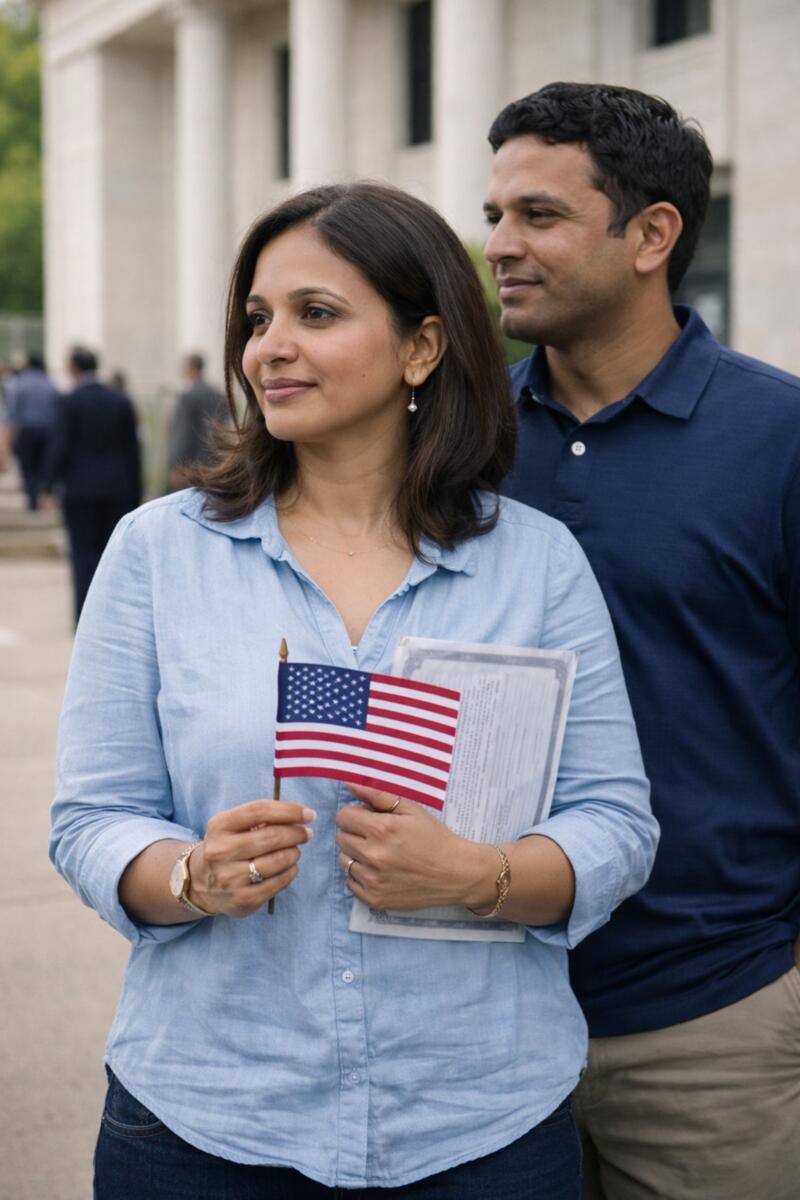
Yes, in most cases you can bring family members to your U.S. citizenship oath ceremony. However, guest rules vary depending on your ceremony location, the type of ceremony (administrative or judicial), and the venue's capacity. Your oath ceremony notice will include specific instructions about guests.
The oath ceremony is a meaningful moment in your life. After months of preparation, interviews, and waiting, this is the day you officially become an American citizen. It is completely natural to want your loved ones beside you. This guide explains what you need to know about bringing guests, so you can plan this special day with confidence.
What Is the U.S. Citizenship Oath Ceremony?
The U.S. citizenship oath ceremony is the final step in the naturalization process. During this ceremony, you will take the Oath of Allegiance to the United States, officially becoming an American citizen. You will also receive your Certificate of Naturalization, which is your official proof of citizenship.
There are two types of oath ceremonies. Administrative ceremonies are held at USCIS offices, often for smaller groups. Judicial ceremonies take place in federal or state courthouses and are usually larger events presided over by a judge. Both types of ceremonies are equally valid, and the type you attend depends on your location and USCIS scheduling.
If you have already passed your citizenship interview, you are likely wondering what comes next. For a complete overview of each step leading to this moment, see our USCIS Citizenship Process Step-by-Step (2026 Guide).
Can You Bring Family to the Oath Ceremony?
Most oath ceremonies allow guests, including family members and friends. USCIS understands that becoming a citizen is a celebration, and they generally welcome loved ones to witness this milestone. However, whether guests are permitted and how many can attend depends on several factors.
The venue plays a major role. Large judicial ceremonies in convention centers or courthouses typically have more space for guests. Smaller administrative ceremonies at USCIS offices may have limited seating or may not allow guests at all due to space restrictions.
Important: Always read your oath ceremony notice carefully. This document, which arrives by mail after your interview approval, will state whether guests are allowed and provide any specific instructions for your ceremony location.
How Many Guests Are Usually Allowed?
Guest limits vary widely depending on the venue and ceremony type. Some locations allow each new citizen to bring two to four guests. Other venues, especially large judicial ceremonies, may have open seating where you can bring more family members.
For administrative ceremonies at USCIS field offices, space is often limited. These smaller venues may restrict guests to one or two people, or in some cases, may not accommodate guests at all. If your ceremony is at a USCIS office, plan for the possibility that space may be tight.
Judicial ceremonies in courthouses or large public venues typically offer more flexibility. Some of these ceremonies are community events with hundreds of new citizens and their families. If you receive an invitation to a judicial ceremony, you may have more freedom to invite extended family.
Can Children or Babies Attend the Ceremony?
Yes, children and babies are generally welcome at oath ceremonies. Many families attend together, and seeing children at these events is common. However, keep in mind that oath ceremonies require everyone to remain quiet during the proceedings, which can last 30 minutes to over an hour.
If you plan to bring young children, prepare them ahead of time. Explain that there will be a period of waiting and that they need to stay seated quietly. Bringing quiet activities, snacks (if allowed), and having a plan in case a child needs to step out can help the ceremony go smoothly for everyone.
For babies, consider bringing items to keep them comfortable and quiet. Some parents choose to have another adult available to step outside with the baby if needed, so the new citizen does not miss any part of the ceremony.
Can Family Members Take Photos or Videos?
Photography policies depend on the venue. Many oath ceremonies allow guests to take photos and videos, especially during the certificate presentation portion of the event. Some locations even encourage families to capture this milestone.
However, courthouses and certain federal buildings may have restrictions on photography and recording devices. Some judicial ceremonies prohibit all recording during the formal oath portion but allow photos afterward. Security at federal buildings may also require guests to leave certain items outside.
If capturing this moment is important to you, check your ceremony notice for any photography guidelines. When in doubt, bring a camera or phone but be prepared to follow instructions from ceremony officials about when recording is permitted.
What Should Guests Bring on the Day of the Ceremony?
Guests should plan for a straightforward visit, but there are a few things to keep in mind. If the ceremony is at a federal building or courthouse, guests may need to pass through security screening, similar to airport security.
- Valid photo ID: Some venues require guests to show identification to enter
- Camera or phone: For capturing the celebration (if photography is allowed)
- Comfortable clothing: Ceremonies can involve waiting; dress appropriately
- Patience: Ceremonies may run longer than expected, especially large ones
Avoid bringing prohibited items such as weapons, large bags, or anything that could cause delays at security. Arriving early gives your guests time to get through any screening and find seating before the ceremony begins.
What Happens During the Oath Ceremony (Step by Step)
Understanding the ceremony flow helps both you and your guests know what to expect. Here is a general outline of what happens:
- Check-in: You will arrive and check in with USCIS officials. They will collect your green card and verify your identity. You may also need to review and sign Form N-445, which confirms information about your eligibility.
- Seating: You will be directed to your seat in the ceremony area. Guests typically sit in a separate section designated for family and friends.
- Welcome and introduction: An official will welcome everyone and explain the significance of the ceremony.
- Oath of Allegiance: All candidates will stand and recite the Oath of Allegiance together. This is the moment you officially become a U.S. citizen.
- Certificate distribution: You will receive your Certificate of Naturalization. Some ceremonies call each person by name; others distribute certificates by row.
- Closing remarks: The ceremony concludes with congratulations, and often the Pledge of Allegiance or the national anthem.
The entire ceremony typically lasts between 30 minutes and 90 minutes, depending on the number of participants. Large judicial ceremonies with hundreds of new citizens may take longer.
What If Guests Are Not Allowed at Your Ceremony?
If your oath ceremony notice states that guests cannot attend, you still have options to include your loved ones in the celebration. Many families plan a gathering after the ceremony to mark the occasion together.
Some new citizens ask family members to wait nearby, such as in a lobby or outside the building, so they can celebrate together immediately after the ceremony ends. You can also take photos with your Certificate of Naturalization after you exit, making the moment memorable even without guests inside.
Remember that the ceremony itself is brief. The celebration afterward, whether at home, a restaurant, or a special location, can be as meaningful as the formal event. Your family will understand, and you can share your experience with them right away.
Final Tips for the Day of Your Oath Ceremony
To help your ceremony day go smoothly, keep these practical tips in mind:
- Arrive early: Plan to arrive at least 30 minutes before your scheduled time to allow for check-in and security
- Bring required documents: Your green card, oath ceremony notice, and any other documents requested by USCIS. For a complete list, see our Documents to Bring to the Citizenship Interview (2026 Checklist)
- Dress appropriately: While there is no formal dress code, many people choose to dress nicely for this meaningful occasion
- Turn off your phone: Silence your phone before the ceremony begins out of respect
- Celebrate afterward: Plan something special with your family, whether a meal, photos, or a small gathering
This is a day you have worked hard for. Take a moment to appreciate everything you have accomplished. Becoming a U.S. citizen is a significant achievement, and whether your family is in the room or waiting outside, this milestone belongs to all of you.
Related Articles
- What Happens at the N-400 Interview? (Step-by-Step)
- How to Prepare for the Citizenship Interview (2026)
- Documents to Bring to Your Citizenship Interview
- What Happens If You Fail the Citizenship Test?
- N-652 Decision Cannot Be Made Yet — Explained
- U.S. Citizenship Process: Complete Guide
- Free Citizenship Eligibility Calculator
- Practice 128 Civics Questions Free
Disclaimer: Policies and guest rules can vary by location and ceremony type. Always follow the instructions on your oath ceremony notice from USCIS. This article is for informational purposes only and does not constitute legal advice. US Civics Practice is not affiliated with USCIS or any government agency. For official information, visit uscis.gov.